Adding item to the basket...
Failed to add item to basket, please try again or contact support
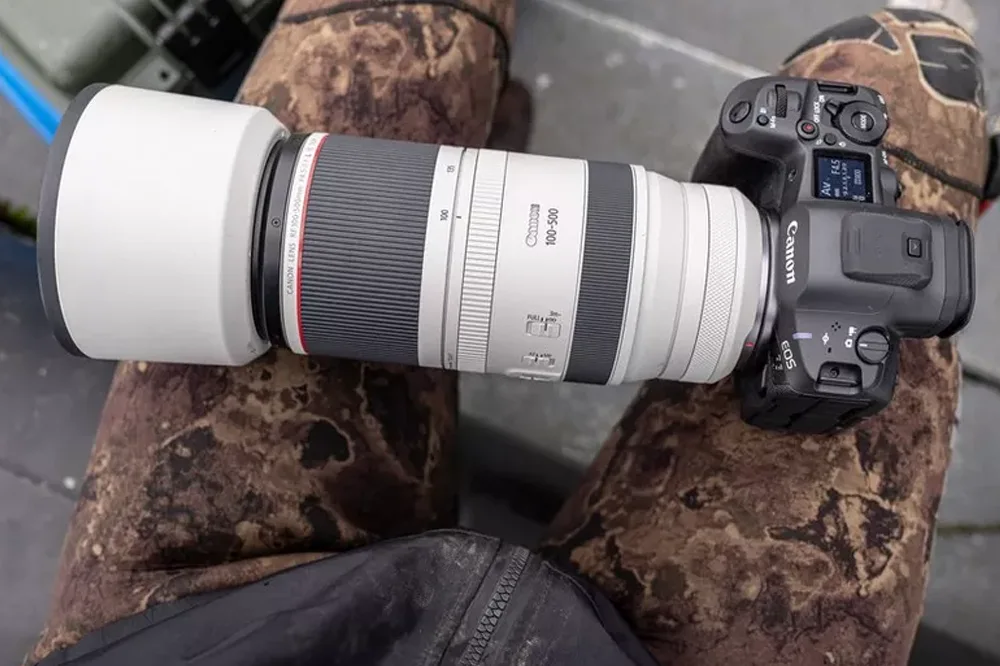
Adding item to the basket... From the compact EOS R50 to the high-end EOS R3, Canon’s mirrorless range covers every genre. Expect intuitive controls, Dual Pixel AF, and exceptional image quality. Perfect for photographers upgrading from DSLR or jumping straight into professional RF shooting.
Shoot 45MP stills at 30fps and record 8K 12-bit RAW internally with Canon’s new flagship hybrid camera. The EOS R5 Mark II brings even faster autofocus, improved heat management and a sharper EVF — ideal for professionals shooting portraits, action, and high-end editorial.
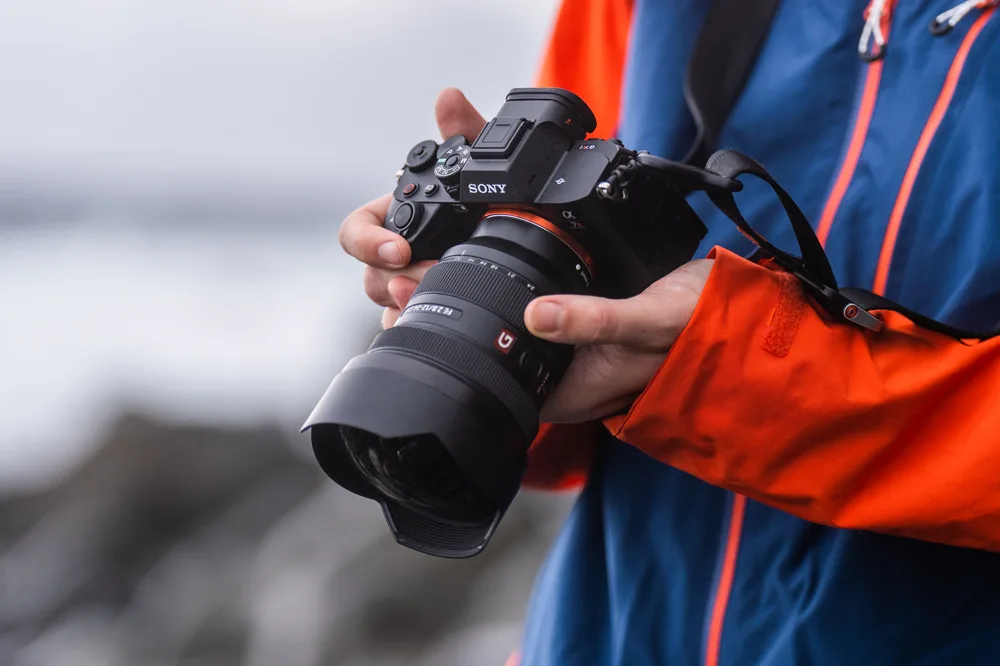
From entry-level APS-C models to flagship full-frame powerhouses like the a1 II, Sony’s mirrorless lineup offers something for every photographer. Enjoy class-leading Eye AF, rapid shooting speeds, and beautiful colour straight out of camera — perfect for creative professionals and enthusiasts alike.
Push resolution to the limit with the Sony a7R V — offering 61MP stills, AI-enhanced autofocus, and 8K video in a robust, weather-sealed body. Ideal for commercial, landscape, fashion and fine art work, it’s the perfect tool for photographers who demand maximum detail and creative control.
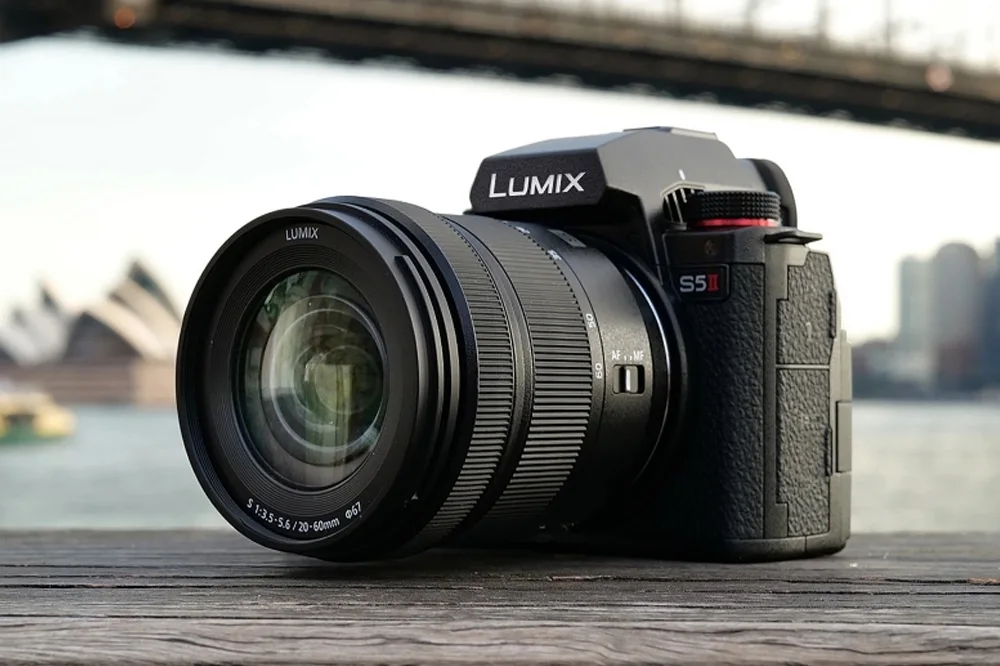
From travel-friendly LUMIX models to full-frame powerhouses like the S1H and S5IIX, Panasonic’s mirrorless range gives you cinematic control and stunning stills. Expect features like 6K photo modes, dual image stabilisation, and advanced video tools — all in one compact body.
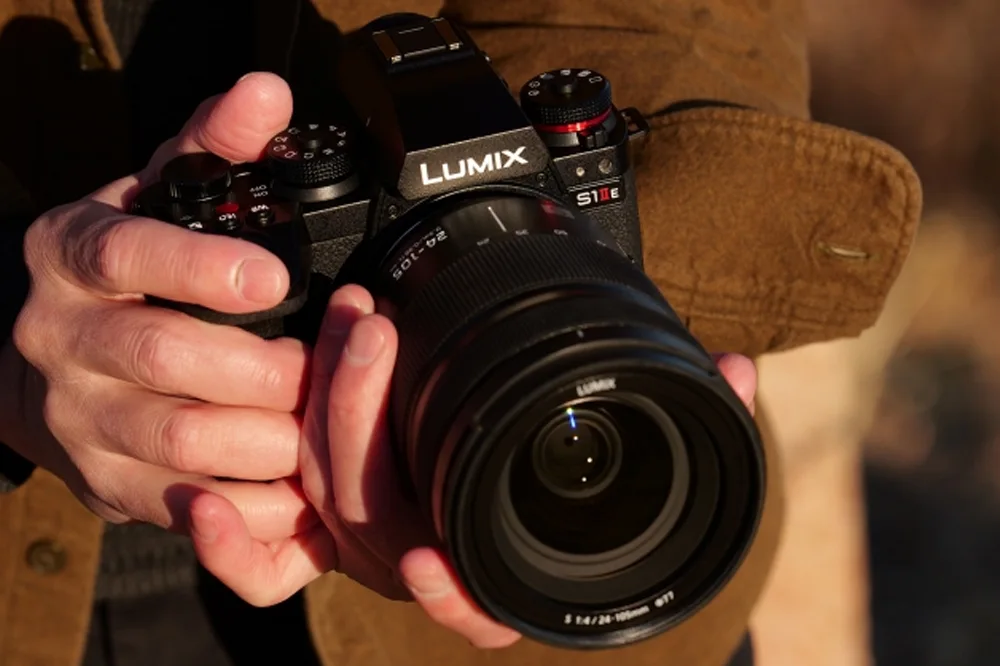
The LUMIX S1IIE delivers exceptional image quality with a 24.2MP full-frame sensor, internal 6K video, and advanced stabilisation. With improved AF tracking and pro-grade ergonomics, it’s ideal for photographers who shoot a mix of stills and video and want maximum flexibility in one system.
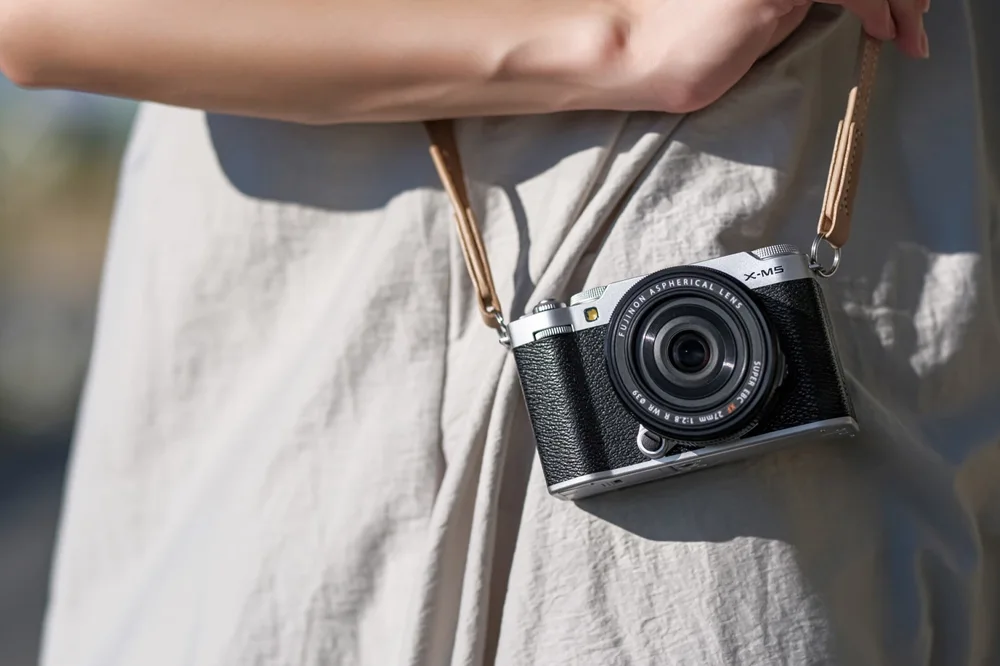
From the lightweight X-T30 II to the powerhouse X-H2S, Fujifilm offers mirrorless stills cameras for every skill level and style. Enjoy in-camera film simulations, fast autofocus and intuitive manual controls — ideal for photographers who want both aesthetic and performance.
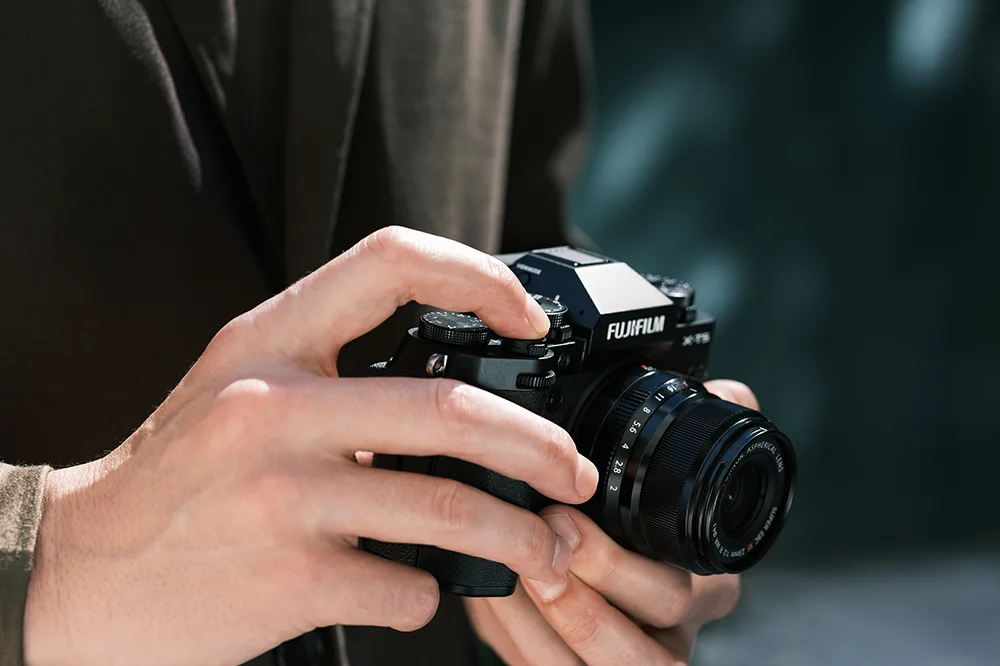
Classic style meets cutting-edge performance in the Fujifilm X-T5. With a 40MP sensor, 7-stop IBIS, and stunning 6.2K video, it’s perfect for landscape, portrait and street photography. The retro design, tilting screen and manual dials make this a dream camera for creatives who love to shoot intuitively.
Whether you're picking up a Nikon Z5 for personal projects or reaching for the flagship Z9, Nikon’s mirrorless stills range delivers exceptional quality and intuitive control. With native Z-mount glass or full compatibility via the FTZ adapter, it’s never been easier to transition from DSLR to mirrorless.
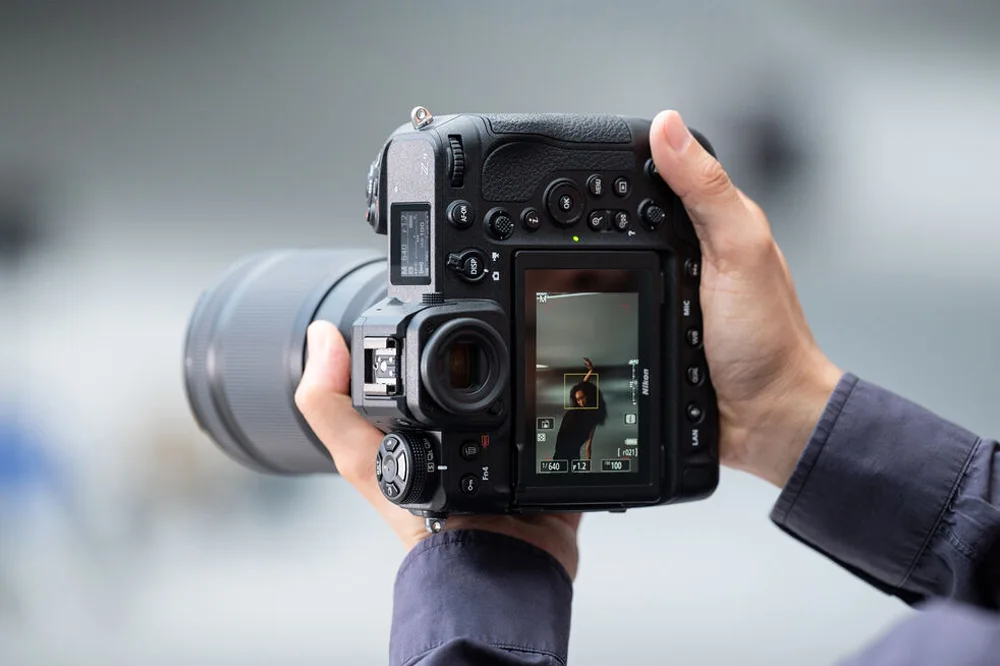
The Nikon Z9 is a full-frame flagship built for uncompromising stills performance. Capture 45.7MP images at up to 20fps, with unmatched tracking, blackout-free EVF and robust build quality. Supplied with the FTZ II adapter, it’s perfect for pros who want to pair their trusted F-mount lenses with Nikon’s best-ever mirrorless body.


© 2003-2026 Hireacamera.com - all rights reserved