 Adding item to the basket...
Beyond the Camera: Why Premium Optics and Support Gear Make or Break a Safari
23 June 2026
General News
Alex Parker
Don't focus so heavily on the camera and lens that you forget about stabilising or spotting the wildlife in the first place...
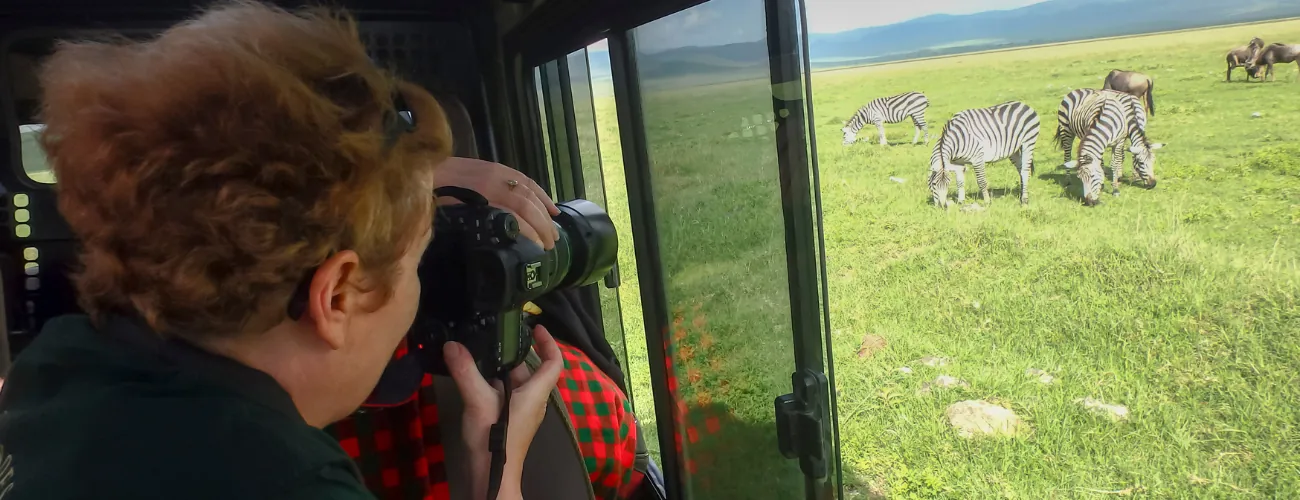
One of the most common mistakes travelers make when planning a safari is focusing entirely on the camera body and telephoto lens while completely neglecting how they will spot wildlife and stabilize their gear in the field. A premium camera and a massive 600mm lens are practically useless if your arms are too exhausted to hold the setup steady during a long stakeout, or if you miss a hidden leopard altogether because you were trying to scan the vast, distant bush through a narrow, restricted lens viewfinder.
Capturing sharp, professional-grade wildlife images requires a complete field ecosystem. Without dedicated tracking binoculars to spot camouflaged animals efficiently, and a steady monopod or gimbal head to absorb engine vibrations and take the physical weight of heavy glass off your shoulders, even the most expensive camera setup will struggle to deliver the results you expect.
Steady Footing
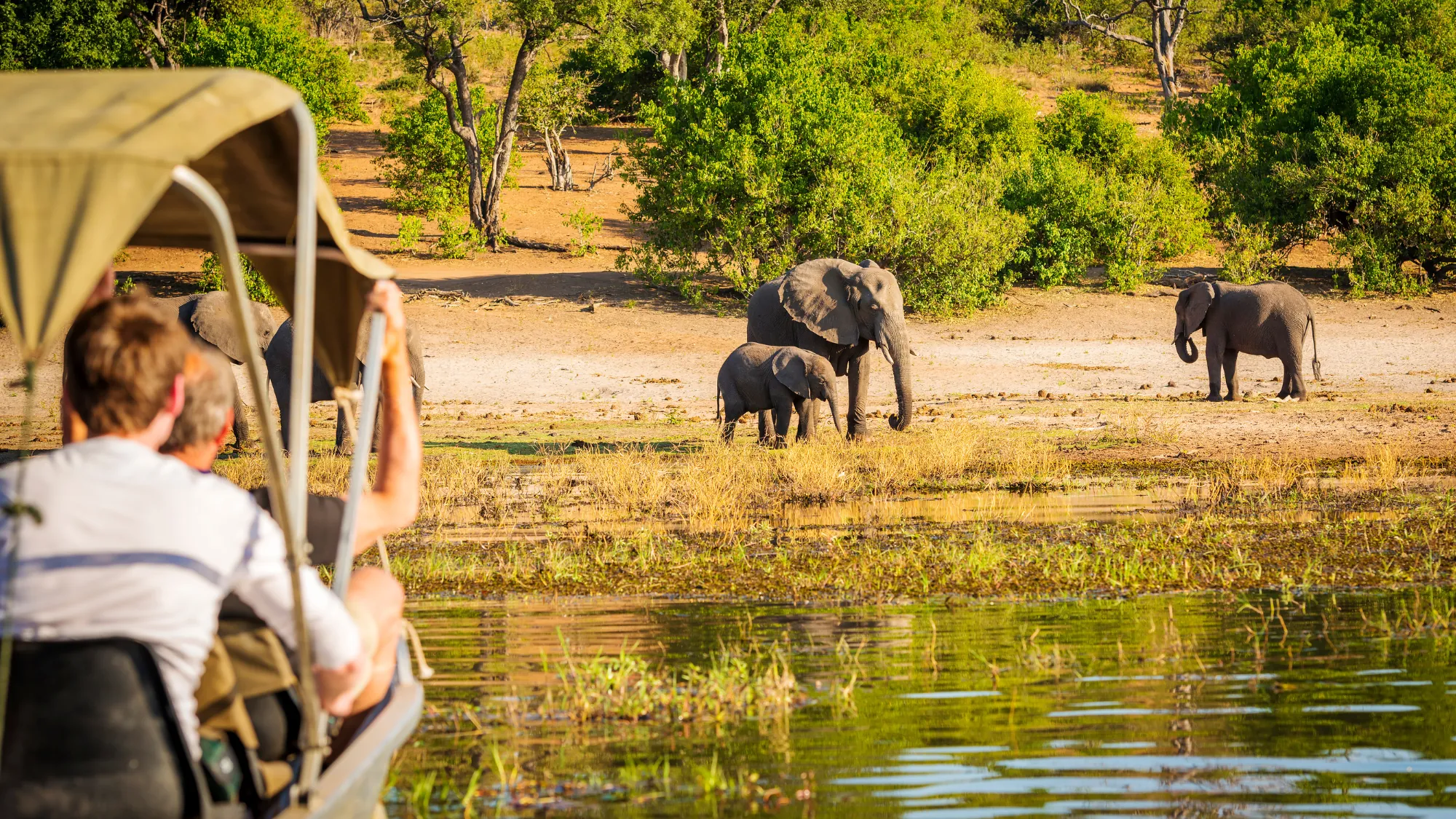
A monopod is arguably the most valuable utility player in a safari photographer's gear bag, providing essential stability without the restrictive, bulky footprint of a traditional tripod inside a crowded 4x4 vehicle. Tracking wildlife often involves long hours of waiting for a predator to wake or a herd to cross a river, and a monopod takes the immense physical strain of a heavy super-telephoto lens completely off your arms, keeping you fresh and ready to react.
Because it utilizes just a single leg, it slips seamlessly into the tight footwells or between the seats of a bumpy jeep, acting as a direct anchor to the vehicle floor. This structural support is critical for dampening the micro-vibrations of an idling diesel engine and stabilizing hand tremors, allowing you to confidently drop your shutter speed to capture sharp, crisp action during the peak, low-light tracking hours of dawn and dusk.
Optical Magic
A premium pair of binoculars is the ultimate scouting partner for your camera on safari, serving as a vital tool for both finding wildlife and protecting your equipment’s power supply. Scanning the vast, sweeping savanna through a heavy super-telephoto lens is an exhausting exercise in frustration; its restricted field of view makes tracking elusive, camouflaged predators incredibly difficult, while your camera’s autofocus motor continuously grinds in the background, rapidly draining the battery.
By using a lightweight, wide-angle pair of 14x40 or 18x50 binoculars to comfortably survey the landscape with both eyes open, you can easily spot a distant leopard or track a pride of lions without physical fatigue. This strategic workflow allows you to leave your camera switched off and resting safely on your lap, preserving precious battery life so that when the animal finally makes its move, your gear is fully charged and you are ready to raise your lens at the exact millisecond the action peaks.
Additionals
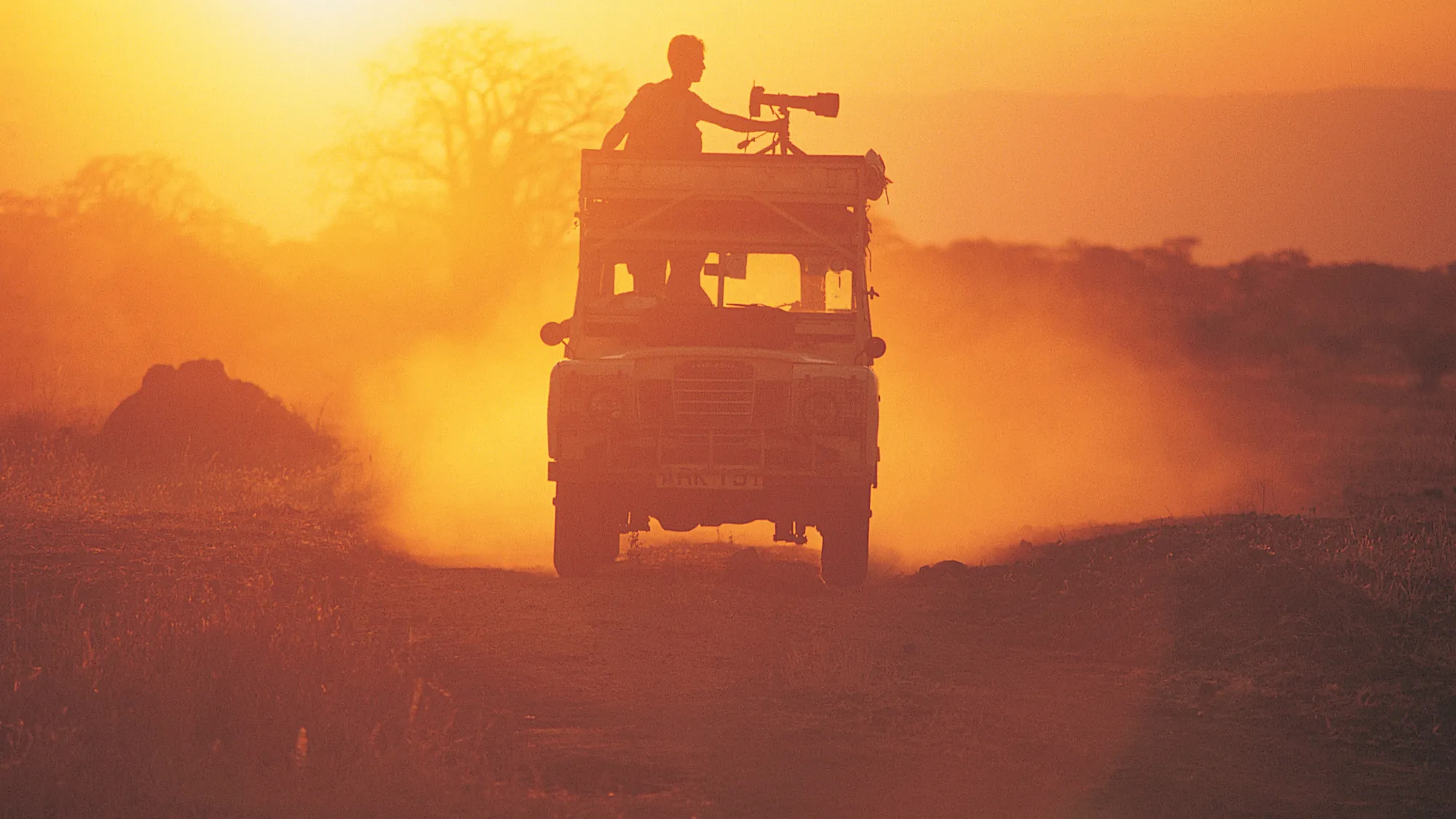
Beyond support and optics, a successful safari requires a handful of small but critical accessories designed to protect your gear from the elements and keep you shooting continuously. Because you will be far from a mains power supply during long game drives, packing multiple spare batteries is non-negotiable, as cold mornings and heavy autofocus tracking drain power rapidly. You will also need a generous supply of high-speed memory cards to handle the massive data load of high-fps burst shooting, stored safely in a dust-proof case. Speaking of dust, the fine savanna grit is your camera's worst enemy, making a kit bag and a stack of high-quality microfiber cloths (added when you put a lens in your basket) absolute essentials.
Head to the Hirecamera Safari Guide for cameras, telephoto lenses, monopods and binoculars, as well as further FAQs and guides to help you on your safari adventure!