 Adding item to the basket...
Best Camera Gear for Safari: How to Choose Your Lenses and Bodies
23 June 2026
General News
Alex Parker
Hire Kit For Safari Adventures - What to choose, what factors to consider, and tips on logistics.
For an unforgettable African safari, choosing the right camera kit can make the difference between capturing a razor-sharp portrait of a hunting leopard or coming home with a blurry spot in a distant acacia tree. The open savanna is an environment of extremes: vast distances require serious focal reach, unpredictable action demands lightning-fast autofocus, and fine, swirling dust makes swapping lenses a massive risk to your camera's sensor.
Whether you are packing your gear bag as a seasoned wildlife pro or looking to rent a high-end setup for a bucket-list trip, building the perfect kit requires a careful balance of reach, low-light performance, and weight limits. This guide breaks down exactly how to choose the ultimate cameras and lenses to handle the challenging, beautiful, and fast-paced world of safari photography.
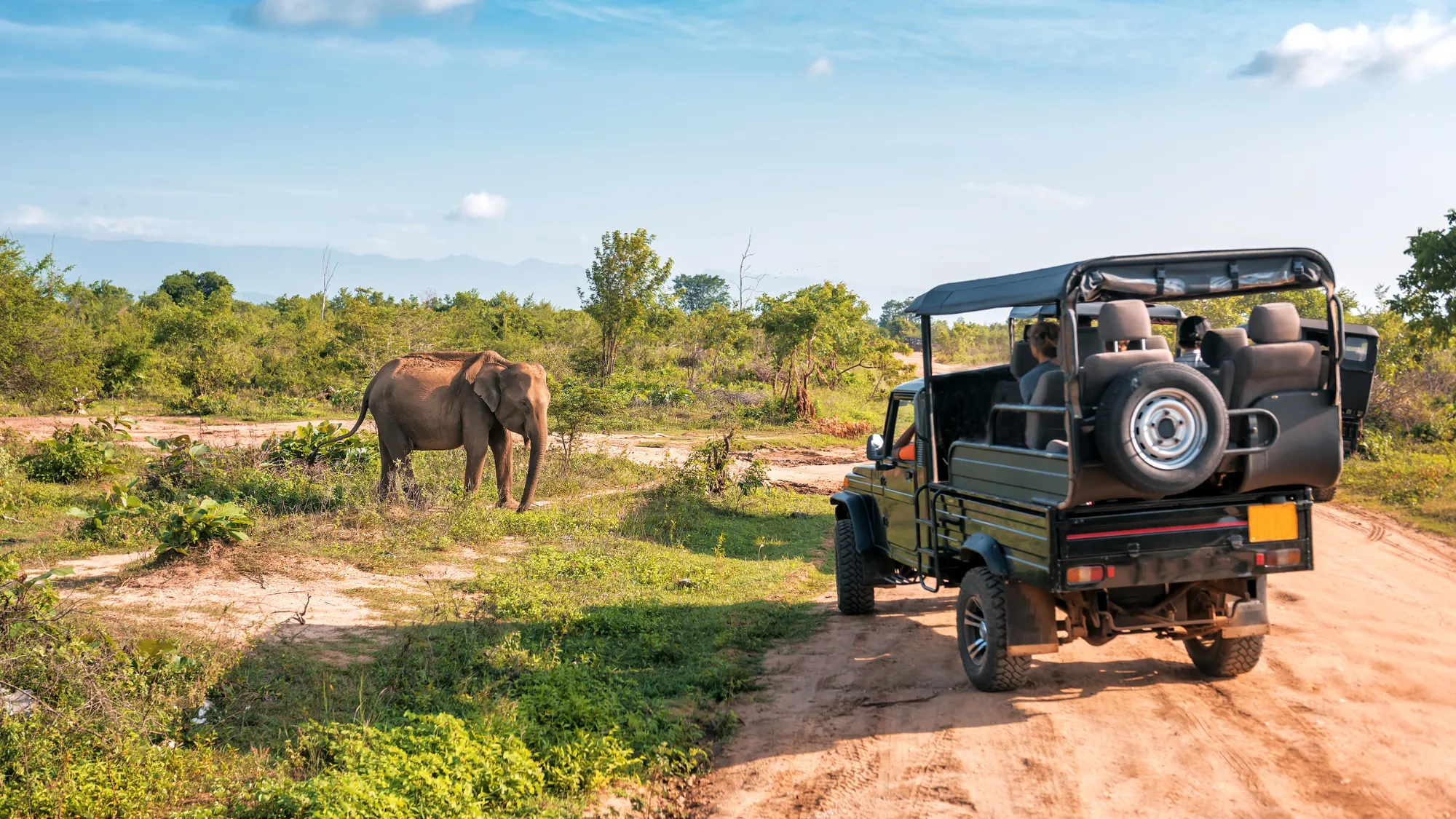
When you are sitting in an open 4x4 vehicle watching a cheetah sprint across the plains, your camera body needs to perform exceptionally well in a few critical areas: locking focus instantly, shooting fast enough to catch the action, and surviving the elements. If you are trying to figure out which camera body to pack—or hire—for your trip, a few non-negotiable features will dictate your success.
Choosing the Right Camera Bodies
Deep-Learning Animal Tracking Autofocus
This is the single biggest game-changer in modern wildlife photography. Traditional autofocus requires you to manually keep a small focus square over a moving animal's face, which is incredibly difficult in a moving vehicle. Modern mirrorless systems use artificial intelligence trained to recognize animals, meaning you should explicitly look for a camera featuring "Animal Eye AF" or "Subject Tracking Auto Focus." When an animal steps out from behind a bush, the camera instantly locks a tracking box directly onto its eye or body, allowing you to focus purely on composition. Cameras like the Sony Alpha 1 ii and the Canon EOS R7 are wonderful options if you need speedy animal tracking AF.
High Burst Rate (Continuous Shooting Speed)
Wildlife doesn't sit still, and actions like a lion shaking dust off its mane or a fish eagle diving happen in a fraction of a second. You need a camera that can fire off multiple frames per second (fps) so you can pick the exact millisecond where the action peaks. Aim for a camera that can hit at least 10 frames per second using its mechanical shutter, or look into modern mirrorless cameras that can shoot 20 to 30 fps silently using an electronic shutter. Silent shooting is incredible on safari because a loud shutter click can easily startle a timid animal close to your vehicle. Cameras like the Canon EOS R3 and the Panasonic Lumix S1 II have staggering burst rates and pre-shooting options to boot.
Robust Weather Sealing
The African savanna is incredibly punishing on electronics. Depending on the season, you will either be dealing with fine, penetrating red dust that gets into every seam, or sudden, torrential downpours during afternoon game drives. Avoiding entry-level plastic bodies without environmental gaskets is crucial; ensure your chosen camera is designated as "Weather-Sealing," "Weather-Resistant," or "Dust and Moisture Resistant."
The Dual Camera Setup
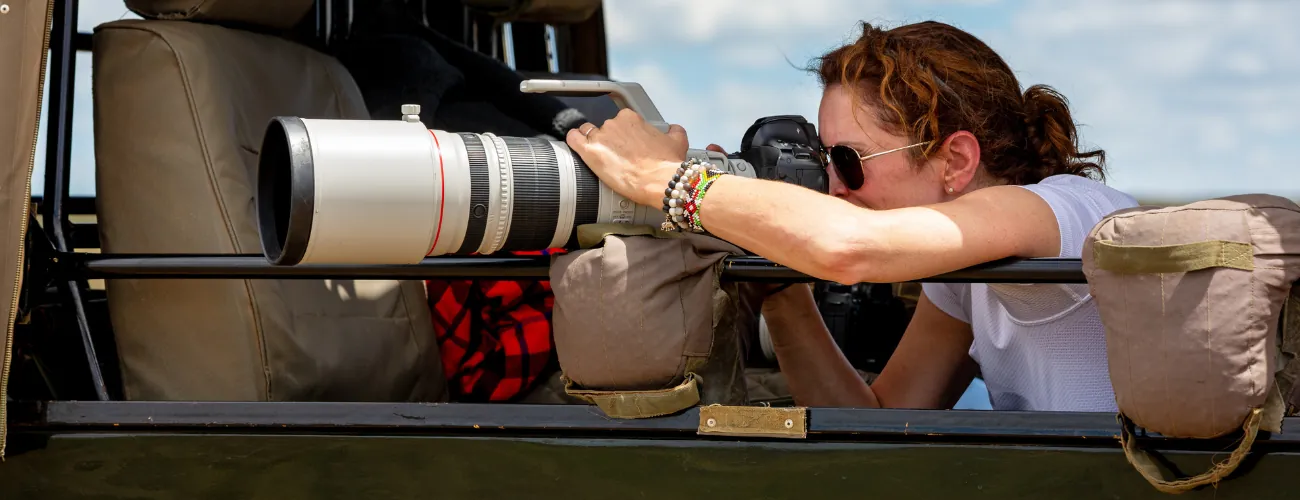
Carrying two dedicated camera bodies on safari is the ultimate insurance policy against the dual threats of missed action and environmental damage. The African savanna can go from a wide-open landscape to a high-octane wildlife encounter in a heartbeat; if a pride of lions suddenly approaches your vehicle while your camera is fitted with a massive 600mm telephoto lens, you will completely miss the shot if you have to spend critical seconds untwisting your gear.
By keeping a two-camera ecosystem ready—one permanently paired with a super-telephoto zoom for distant tracking and the other prepped with a medium 24-70mm or 70-200mm lens for close-range action and contextual landscape shots—you can seamlessly swap between perspectives instantly. Furthermore, because nearly every safari trail is an absolute dust bowl, leaving your lenses securely mounted for the entire game drive means you never have to expose your cameras' delicate digital sensors to the fine, abrasive red grit in the air, keeping your gear spotless and your focus locked on the wildlife.
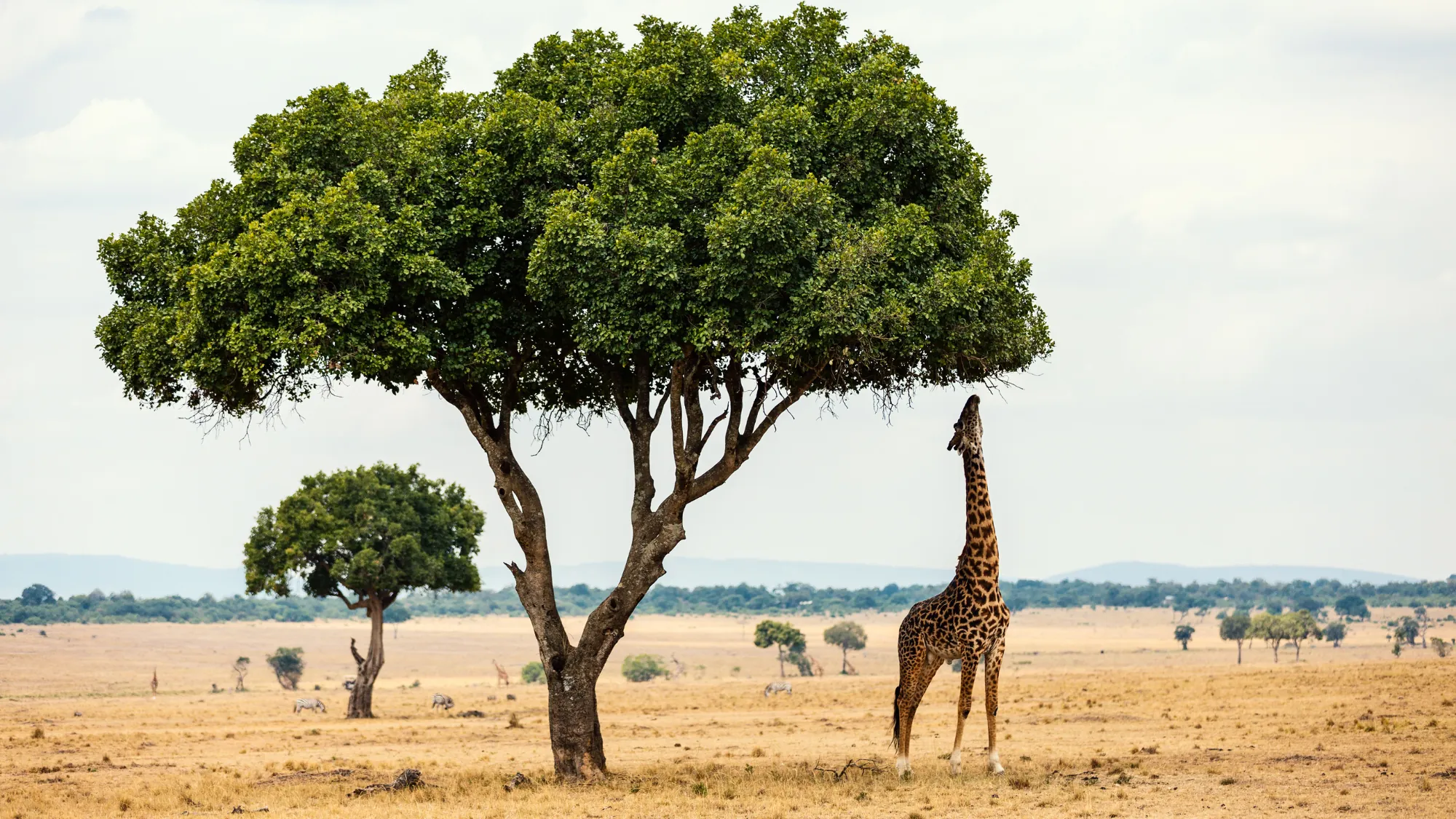
Choosing the right safari lens is all about balancing extensive focal reach with framing versatility. While it is tempting to pack a bag full of prime lenses, wildlife photography from a safari vehicle happens too quickly and unpredictably for frequent lens swaps, which also risks introducing destructive, fine savanna dust directly to your camera sensor.
A high-quality telephoto zoom lens—ideally reaching 400mm, 500mm, or 600mm at the long end—is the absolute gold standard, allowing you to instantly switch from an environmental shot of an elephant herd to a tight portrait of a distant leopard. When choosing your zoom, look for a lens featuring powerful optical image stabilization to combat the vibrations of an idling 4x4 engine, and prioritize an internal zoom mechanism if possible, which keeps the lens barrel sealed tightly against the elements so you can shoot with confidence through the dusty twilight golden hour.
A monopod is a safari essential, offering a steady shooting platform without the bulky, impractical footprint of a traditional tripod inside a cramped 4x4 vehicle. Super-telephoto lenses get incredibly heavy during long hours of waiting at a sighting, and a monopod takes that physical weight completely off your arms while stabilizing your setup against engine vibrations and hand tremors. Because it utilizes a single leg, it can easily slide between seats or rest on the floor of a bumpy jeep, giving you the critical stability needed for sharp images at low shutter speeds during peak twilight action.
While it is easy to assume your camera's massive telephoto lens can double as a spotting tool, a dedicated pair of binoculars is an absolute necessity for any safari photographer. Looking for wildlife through a narrow, heavy super-telephoto lens is physically exhausting and highly inefficient; it drains your camera battery as the autofocus continuously shifts, and the incredibly restricted field of view makes scanning the vast savanna feel like looking through a straw.
A high-quality pair of 8x42 or 10x42 binoculars offers a wide, ultra-bright perspective that lets you comfortably survey the landscape, decode camouflaged thickets, and map out animal behaviors with both eyes open. By using your binoculars to spot and track a sleeping lion or a distant leopard cub first, you can wait patiently for the exact moment the animal wakes up or begins to move—allowing you to switch to your camera and raise your lens only when the action peaks, keeping your arms fresh and ensuring you never miss the shot.
Head to the Hirecamera Safari Guide for cameras, telephoto lenses, monopods and binoculars. You'll also find additional lenses on each camera's product page.