 Adding item to the basket...
The Hybrid Hustle: Managing a Multi-Brand Ecosystem on the Wedding Day
20 July 2026

General News
Alex Parker
The Hybrid Hustle: Managing a Multi-Brand Ecosystem on the Wedding Day
Running a high-end wedding production team or working as a solo hybrid shooter often means choosing the absolute best tool for each specific job, even if those tools come from different manufacturers. You might rely on the unmatched portrait resolution of a Sony or Nikon system for your primary stills, while deploying Canon or Fujifilm bodies to lock down continuous cinematic video clips. While a mixed-fleet approach unlocks incredible creative freedom, managing a multi-brand ecosystem under the strict time constraints of a wedding day introduces unique technical friction.
To keep a complex wedding production seamless, your operational strategy must bridge the gaps between different sensor color sciences, varying file architectures, and distinct battery ecosystems. This guide provides a practical field blueprint for streamlining your data pipelines, unifying your color management, and keeping a diverse camera and audio fleet running flawlessly from morning preparations to the final dance floor departure.
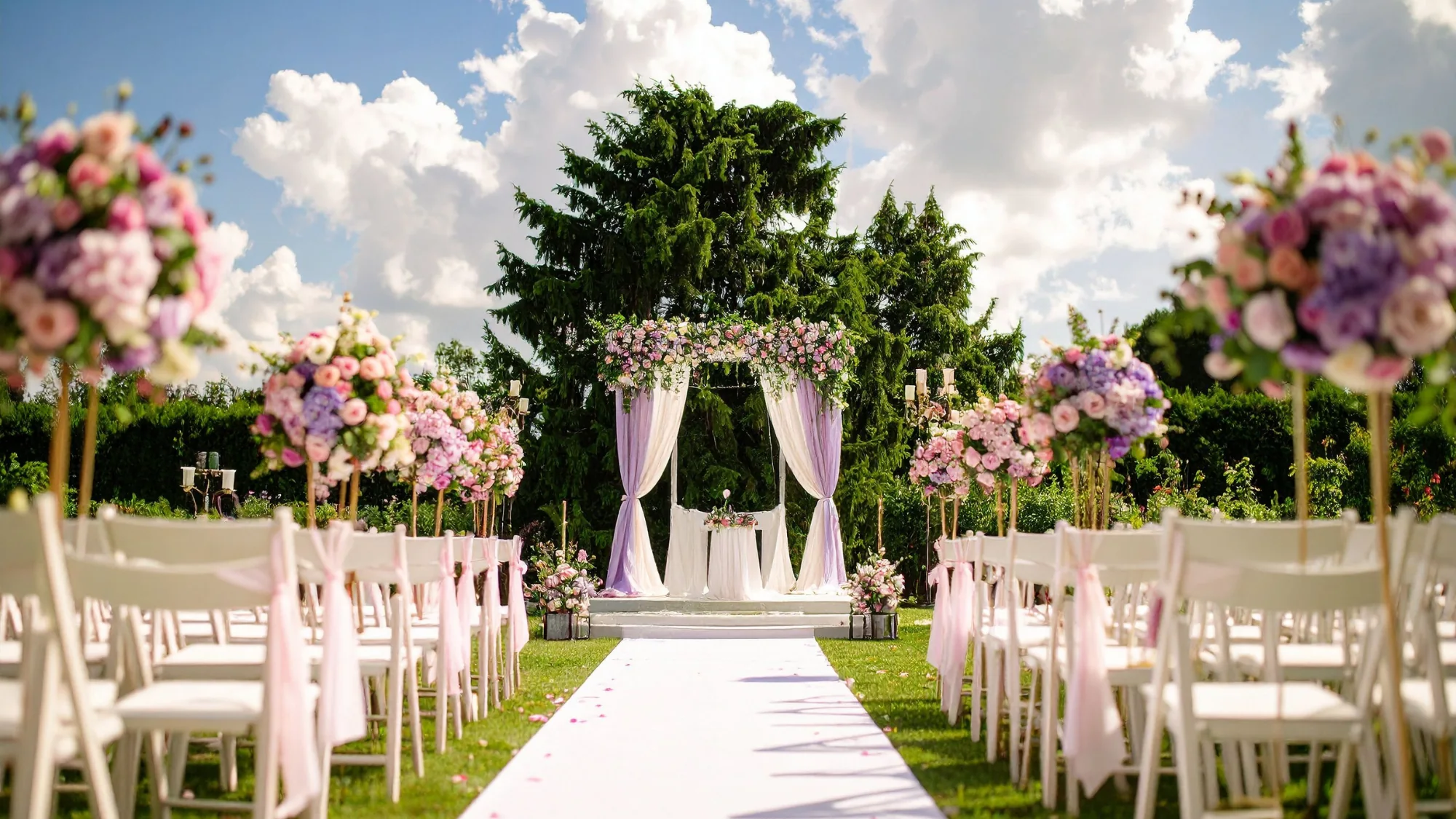
When you are managing files from a mixed fleet consisting of systems like the Canon R5 Mk II, Nikon Z8, and Sony a7R V, post-production can quickly transform into an indexing nightmare. Without a standardized strategy implemented before the first shutter click, organizing hundreds of gigabytes of mixed RAW stills and high-bitrate video clips will derail your delivery timeline.
Unified Custom Naming & Card Strategy
The most critical step in a multi-brand workflow is breaking away from default camera naming conventions (such as standard _DSC or IMG prefixes). Before the wedding begins, dive into the internal menus of each mirrorless system and assign a unique, camera-specific identifier prefix—such as 'CAM_A' for your primary Sony setup, 'CAM_B' for your Canon angle, and 'CAM_C' for a locked-off Nikon ceremony body. Utilizing uniform, high-speed media across your fleet allows you to execute real-time dual-card recording simultaneously on every body, ensuring that cross-platform data ingestion remains perfectly organized and instantly backed up when you offload cards at the end of the night.
Color Matching Across Sensor Ecosystems
Every camera manufacturer interprets light differently, meaning a bride's gown or a groom's suit can vary dramatically in tone when cutting between different brands in your editing timeline. To neutralize this variation, skip the generic auto-white-balance modes. Rely on dedicated physical calibration tools, such as color checkers or uniform gray cards, to set matching custom white balance matrices across all systems whenever you move to a new venue space. For video capture, utilizing neutral log profiles (like S-Log3, N-Log, or C-Log2) establishes a flat, unified baseline that enables effortless color matching and uniform grading during post-production.
The Centralized Power Fuel Station
Managing proprietary chargers for three different camera brands alongside assorted wireless audio receivers can easily clutter a venue corner. Streamline your power infrastructure by deploying high-output V-mount charging hubs and intelligent multi-slot docks as a single, centralized fueling station. By leveraging high-wattage USB-C Power Delivery (PD) power banks directly on your active camera rigs, you can maintain continuous trickle-charging to power-hungry mirrorless bodies like the Fujifilm X-H2 or Canon R5 Mk II throughout extended ceremony sessions, completely eliminating the risk of a mid-vow power failure.
Fast-paced wedding schedules leave absolutely no room for slow hardware changes. Moving a camera body from a steady tripod position over to an active electronic gimbal or a running monopod needs to happen in a matter of seconds without requiring tools or tedious balancing adjustments.
Implementing a unified quick-release infrastructure across your entire support kit ensures that any camera body can snap securely onto any rig instantly. To complement this physical agility, configure your audio assets—such as the RØDE VideoMic Pro+ and Sennheiser wireless receiver systems—with standardized cold-shoe mounts and auto-powering functions that activate automatically with your camera. This ensures your audio pipelines remain perfectly synchronized and fully operational, allowing you to focus entirely on composition and narrative flow as the wedding day unfolds.
Head to the Hireacamera Wedding Guide for premium cameras, professional lenses, dynamic lighting, and broadcast audio kits. You'll also find essential production accessories tailored to your multi-brand workflow on each product page.
"""